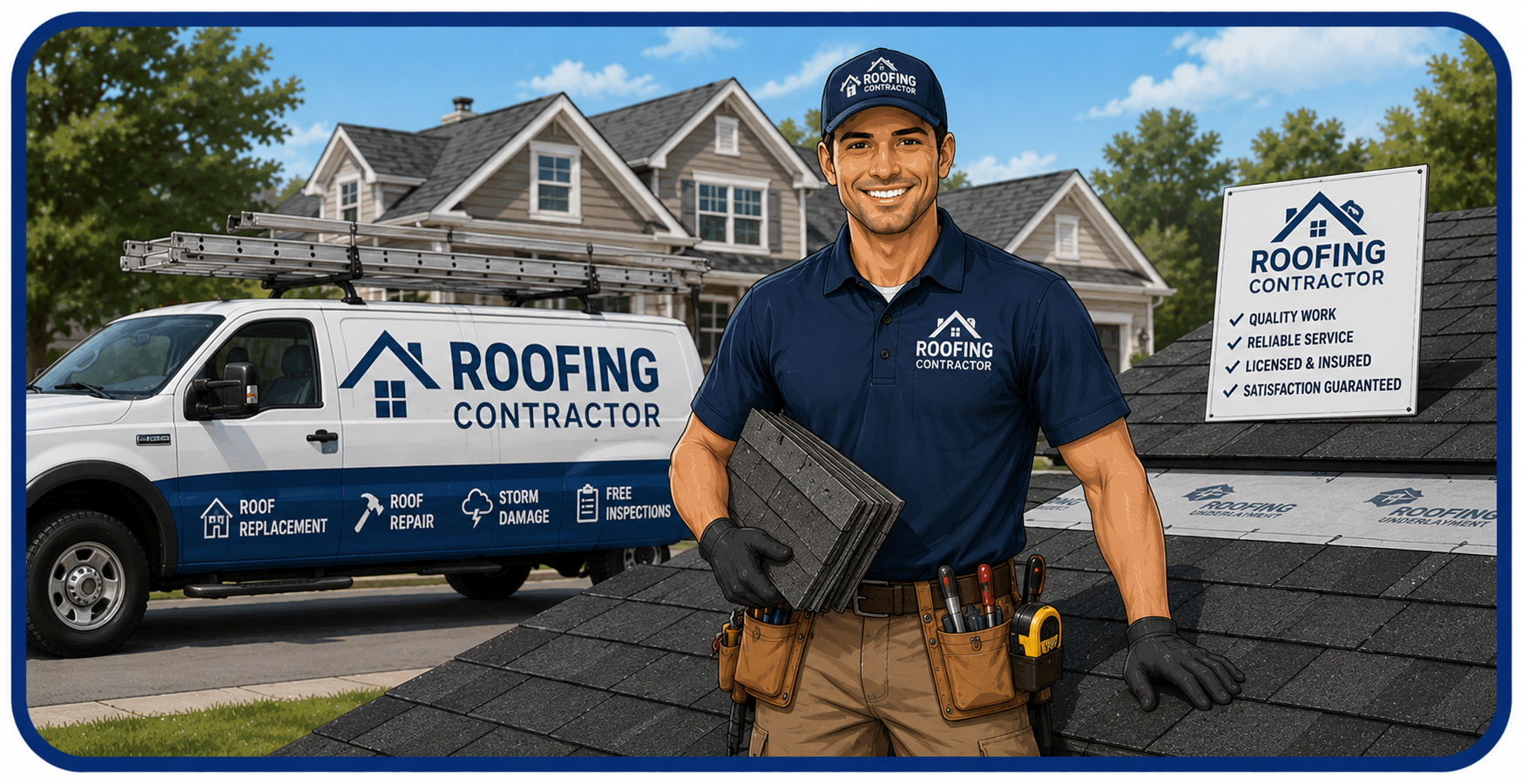
Central Valley homeowners don't need another sales pitch about their roof — they need someone who shows up, explains what's actually wrong, and fixes it right the first time.

Before Roof Repair Smedway was a name on a truck, our foremen were already up on ladders across Central Valley, NY, figuring out which shingle brands actually hold their seal through a rough season and which ones just look good in a showroom.
Every lead technician we send to a Central Valley property carries current Central Valley, NY licensing and full insurance, and we'll produce that paperwork before you ask twice.
Every Roofing job, from a single flashing repair to a full Central Valley tear-off, gets built to the same standard: the one that holds up, not the one that's fastest to invoice.

Proof of licensing before the first ladder goes up.
Someone answers, every time, day or night.
You approve a number before the crew touches your roof.
Crews dispatched from within Central Valley, NY, not another region entirely.
Catching a roof problem at the "annoying" stage is almost always cheaper than catching it at the "emergency" stage.
Homeowners in Central Valley often mention they'd noticed something off months before calling — a stain that seemed to fade, a shingle that looked slightly out of place after a storm.
If the water coming off your downspouts looks gritty, the shingle surface is thinner than it should be.
A cupped shingle traps moisture instead of shedding it, which speeds up decking rot underneath.
A gap that lets light through will let rain through eventually.
Stains grow slowly, which is exactly why they get ignored until they spread.
A slow leak or failing ventilation can quietly drive up cooling costs before you notice the leak itself.
Even a small missing section can let in enough water to rot decking in a single storm.
We split our work into specific service lanes because a wind-lifted shingle and a full system replacement need completely different crews and timelines.
Read through the categories and you'll usually recognize your own roof problem in one of them — that's intentional, since we scope calls the same way we've organized this list.
Active leaks get priority dispatch — a temporary cover first, a proper repair as soon as the crew can get materials on-site.
From a few cracked shingles to a complete tear-off, residential jobs get scoped against manufacturer spec, not a rough guess.
Flat roofs get scheduled inspections in addition to repair calls, catching ponding-water problems early.
A full tear-off strips the roof to the decking, replaces any damaged boards, and rebuilds with new underlayment and shingles to current code.
Post-storm inspections give homeowners documented evidence, useful whether or not a claim gets filed.
If your roof has an architectural quirk, we scope it personally rather than forcing a standard fix.

Homeowners tell us the not-knowing is often worse than the repair itself, so we try to remove as much guesswork from the process as we can.
A dispatcher logs your address, roof type, and the problem, then schedules based on urgency.
You get a plain-language explanation, not just a number.
Every figure is documented in writing — nothing verbal, nothing vague.
Once approved, the crew completes the work to manufacturer spec and cleans the site before leaving.
If you've been burned by a roofing company before, these are the specific things we do differently, not just a promise that we're "better."
Being local means we're rarely the crew still driving in from somewhere else.
We'd rather lose a bid on an honest price than win one that grows later.
Our installers follow manufacturer spec on every underlayment overlap and fastener pattern, not general guesswork.
We'd rather send a crew back for a small fix than leave a homeowner unsure.
We're not your insurance company, but we make that part of the process easier.
Our technicians explain their reasoning so you're deciding with full information.

A verbal promise means nothing when you actually need it, so ours is documented and handed over at project close.
No surprise line items appear after the fact; anything that changes the scope gets discussed with you directly.
None of this is a marketing line — it's how every Central Valley job actually gets closed out, warranty paperwork included.
If your address sits just past our standard Central Valley radius, dispatch can usually still work something out.
Routes are planned around Central Valley's actual streets and access points, not a generic radius drawn on a map, which is part of why our arrival windows tend to hold up.
Homeowners just outside Central Valley proper sometimes assume they're too far for a standard visit, but our dispatch radius usually reaches further than people expect.

"Full reroof took three days. Cleanup was better than we expected — not a nail left in the yard."
— Central Valley Homeowner
"Ponding water on our shop's flat roof for years, finally fixed properly instead of getting patched again."
— Central Valley Homeowner
"Called at 6am after a bad hailstorm and someone actually picked up the phone."
— Central Valley Homeowner
"Skylight leak two other companies couldn't fix. Roof Repair Smedway found the actual flashing gap on the first visit."
— Central Valley Homeowner
"Storm chasers kept knocking on doors after the last big wind event. We called Roof Repair Smedway instead since they're actually local."
— Central Valley Homeowner
"Second time using them, this time for a full tear-off after storm damage. Just as straightforward as the first repair job years ago."
— Central Valley Homeowner
Same-day emergency response and honest pricing across Central Valley, NY.
Speak To A Roofer Now